Sonoma Valley vs Sonoma County: A Guide to Sonoma County Wine Tours
Sonoma Valley is the historic town of Sonoma and its surrounding AVA, while Sonoma County encompasses 425+ wineries across 19 AVAs. This guide breaks down the differences and helps you choose the right wine tour for your trip.
Short answer
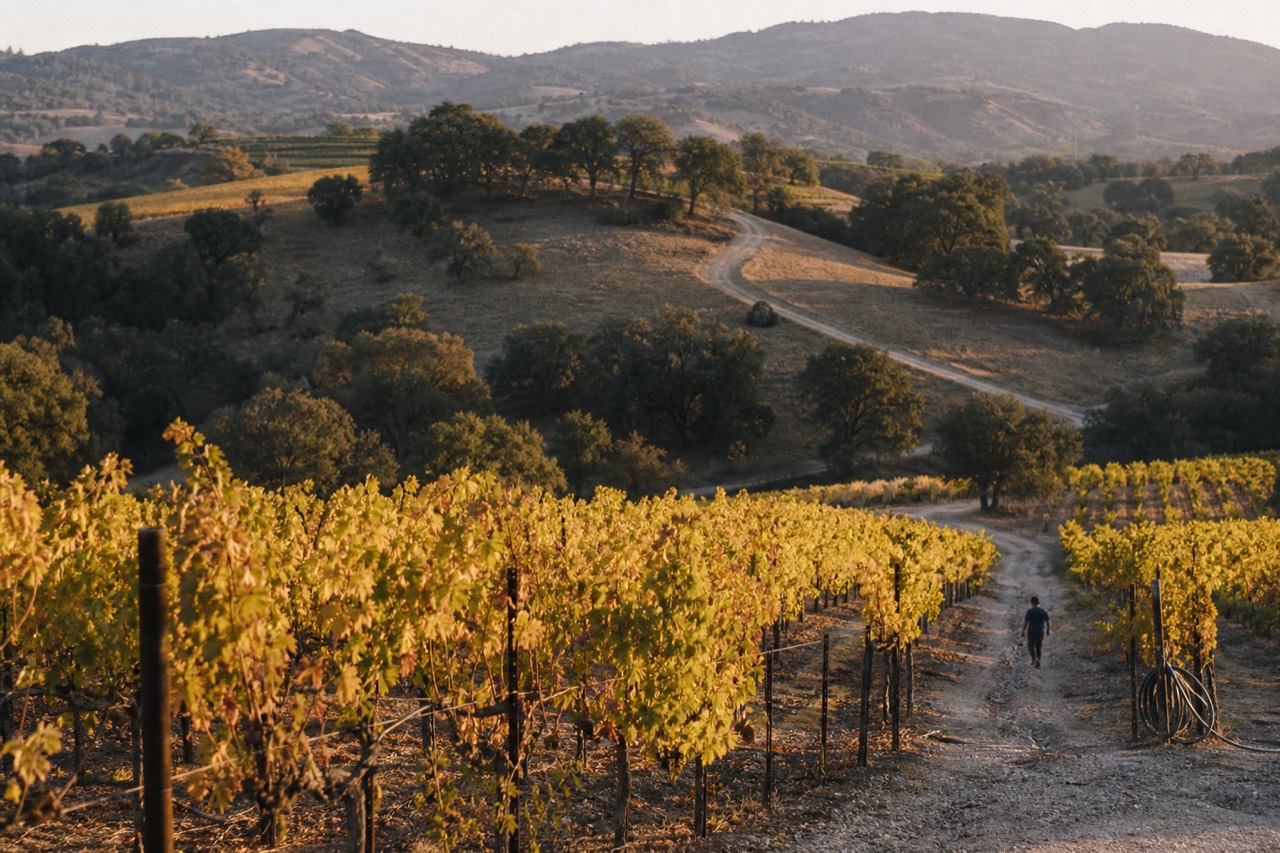
Sonoma Valley is the southernmost subregion centered on the historic town of Sonoma, with a compact cluster of tasting rooms around the Plaza. Sonoma County is the entire county, spanning 1,576 square miles, 19 American Viticultural Areas, and more than 425 wineries, including Healdsburg, Russian River Valley, Dry Creek Valley, and Alexander Valley.
What is the difference between Sonoma Valley and Sonoma County?
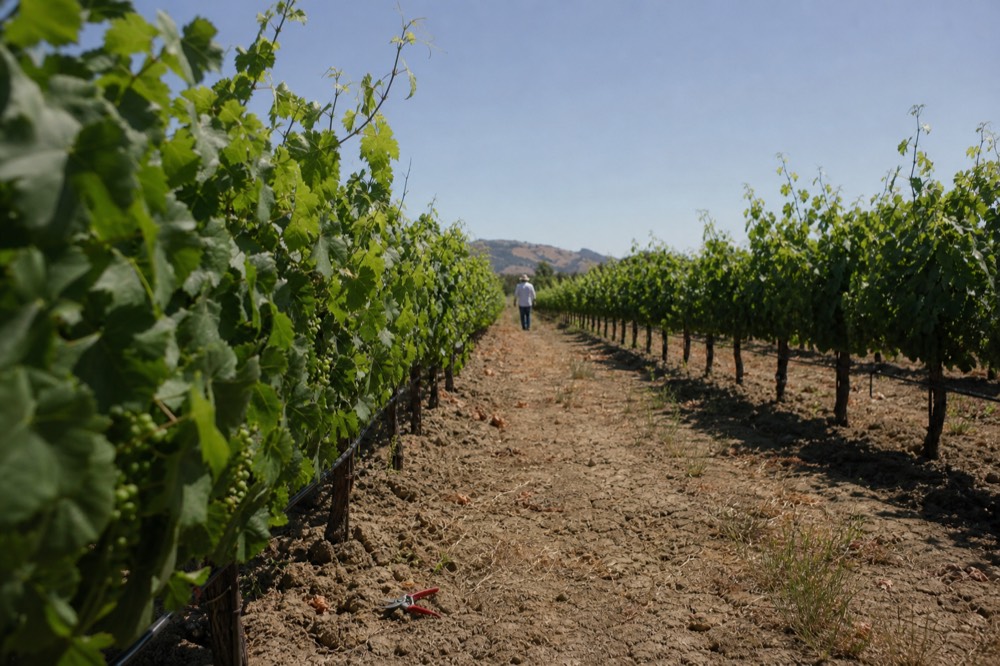
Sonoma Valley is a specific winegrowing region centered on the town of Sonoma, while Sonoma County is the entire county that contains Sonoma Valley plus 18 other AVAs, over 425 wineries, and roughly 60,000 acres of vineyards stretching from the Pacific coast to the Mayacamas Mountains.
The Sonoma Valley AVA is the historic birthplace of California wine. The town of Sonoma itself was founded in 1835, and the plaza remains a National Historic Landmark. The AVA sits at the southern end of the county and is bordered by the Mayacamas Mountains to the east and the Sonoma Mountains to the west. Its climate is warmer than the coastal AVAs to the north, making it well suited to Cabernet Sauvignon, Merlot, and Zinfandel, alongside the Chardonnay and Pinot Noir found throughout the county.
Sonoma County, by contrast, is a patchwork of dramatically different growing conditions. The Russian River Valley, cooled by coastal fog, produces elegant Pinot Noir and Chardonnay. Dry Creek Valley specializes in concentrated Zinfandel from old vines. Alexander Valley, the warmest of the northern AVAs, is known for full-bodied Cabernet Sauvignon. According to Sonoma County Tourism, the county grows roughly 60 different grape varieties. When you browse Sonoma Wine Tours, you will see itineraries that explore both the intimate Sonoma Valley and the wider county, often within a single day.
This geographic diversity is what makes the county-versus-valley distinction important for trip planning. A traveler who stays exclusively in Sonoma Valley will have a wonderful, walkable wine country experience, but they will miss the fog-shrouded Pinot Noir vineyards of the Russian River and the sun-baked old-vine Zinfandel blocks of Dry Creek. A traveler who ventures into the broader county, especially with a guide, can taste across three or four AVAs in a single afternoon.
Which is better for wine tours, Sonoma Valley or the wider Sonoma County?
It depends on your travel style. Sonoma Valley offers a compact, walkable historic plaza with more than two dozen tasting rooms within a few blocks, making it ideal for a self-guided day on foot or a structured trolley tour. The wider Sonoma County rewards travelers who are willing to drive further with a much greater diversity of wine styles, dramatic scenery across multiple AVAs, and access to small-production wineries that are rarely found on the main tourist circuit.
Sonoma Valley's plaza is a genuine walking wine destination. The square is surrounded by tasting rooms like Corner 103, Walt Wines, and Sigh, a sparkling wine bar. You can spend an entire day without a car, moving between historic adobe buildings and modern tasting lounges. The Sonoma Valley Wine Trolley, a replica of an 1890s San Francisco cable car, runs daily open-air tours from the plaza and visits three to four wineries with lunch included. Tasting fees in the valley are typical of the county: a basic flight often costs $35 to $50 (checked September 2026), with some rooms waiving the fee with a bottle purchase.
The wider Sonoma County, however, opens up a completely different set of experiences. The Russian River Valley alone has well over a hundred producers, many of them small, family-run operations that make fewer than 5,000 cases a year. Dry Creek Valley has a concentration of old-vine Zinfandel producers, including A. Rafanelli, a family-owned winery that has barely changed in decades. Alexander Valley stretches from Healdsburg northward into warmer territory, producing structured Cabernet Sauvignon. A guided tour that covers multiple AVAs in a single day, with a driver handling the winding rural roads, can reveal the county's full range in a way that a self-guided trip rarely can. For a broader comparison of wine regions, our Napa vs Sonoma wine tours guide breaks down the differences between the two counties.
| Travel style | Sonoma Valley | Wider Sonoma County |
|---|---|---|
| Walkability | High: Plaza area has 25+ tasting rooms | Moderate: Healdsburg Plaza is walkable; rural AVAs require a car or tour |
| Wine diversity | Cabernet, Merlot, Zinfandel, Chardonnay | 60+ varieties across 19 AVAs |
| Crowd levels | Busier on weekends | Varies; northern AVAs quieter midweek |
| Tour options | Trolley, walking, bike, small-group | Small-group, private SUV, bike, Segway |
| Best for | First-timers, walkers, history lovers | Repeat visitors, variety seekers, Pinot/Zin fans |
These three tours represent the spectrum: a small-group join-in that roams the broader county, a classic Valley trolley experience, and a private northern Sonoma day. Each approach gives you a different lens on the region, and the choice depends on whether you prioritize variety, walkability, or privacy.
What are the best Sonoma County wine tours?
The best wine tours in Sonoma County are those that match your desired pace and region. Small-group join-in tours like Sonoma Wine Rides cover widely scattered AVAs with hotel pickup and a picnic lunch, making them a strong value for travelers who want to see multiple appellations in a half day. Private tours like the Sonoma and Healdsburg private option let you personalize a full day across northern Sonoma County with a dedicated guide and vehicle.
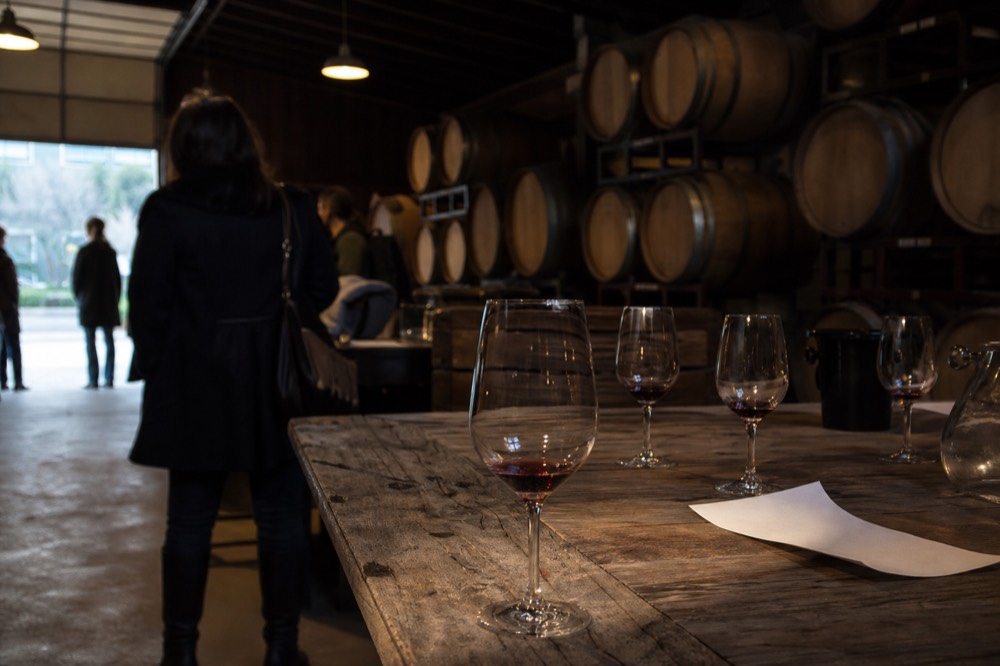
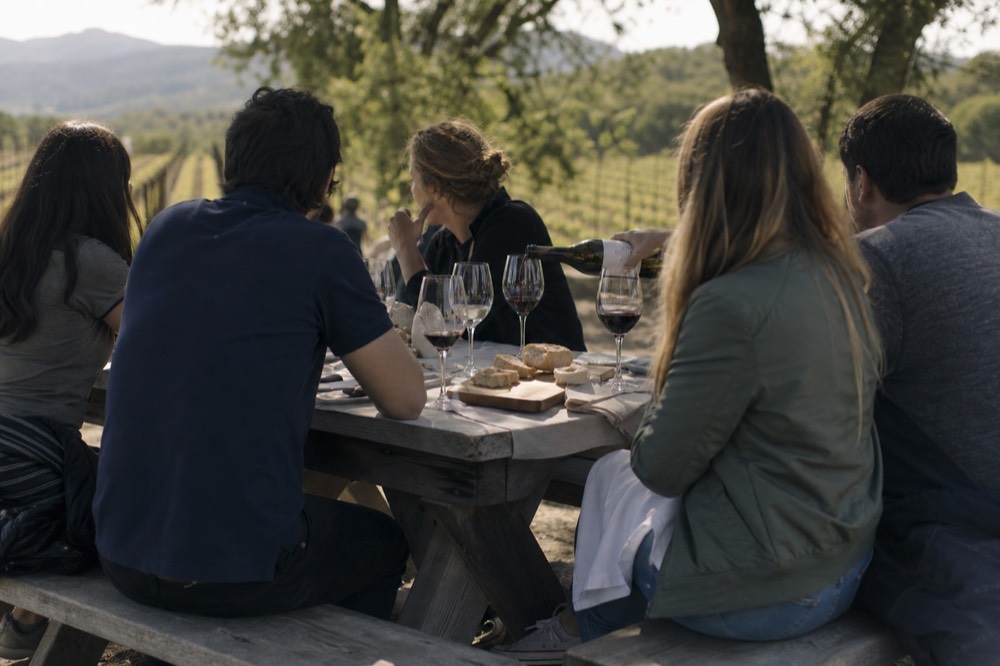
Sonoma Wine Rides runs a half-day join-in tour that rotates among Alexander Valley, Dry Creek Valley, Russian River Valley, and Sonoma Valley wineries, depending on the day. The tour includes hotel pickup from across Sonoma County, a picnic lunch, and visits to small-production wineries with charcuterie pairings. The per-person price starts at $148 (checked September 2026). The operator is an established Santa Rosa company, though its listing on this specific platform is newer, with a modest review count. The real-world operation, however, has earned a 5.0 aggregate from over 250 reviews (checked September 2026) on its own Google Business profile, reflecting years of local experience.
For travelers who want a cross-county experience without the group dynamic, the Sonoma and Healdsburg private tour offers a full day in a private vehicle for up to six people. It starts at $745 per group (checked September 2026) and visits boutique wineries in both Sonoma and Healdsburg areas, with guided tastings included. The itinerary can be tailored to your preferences, making it a strong option for couples or small families who want to cover a lot of ground in comfort. If you are interested in other private options, our private wine tours Sonoma guide covers luxury and custom itineraries in more detail.
The broader Sonoma County tour landscape also includes bike tours, Segway tours, and food-and-wine walking tours in Healdsburg. Our Santa Rosa and Sonoma County wine tours guide covers the northern hub in detail, including operators that depart from Santa Rosa for Russian River and Dry Creek itineraries. The variety of formats means you can find a tour that fits your budget, group size, and curiosity level.
How far is Sonoma Valley from other Sonoma County wine regions?
Sonoma Valley is about 45 miles, or 54 to 55 minutes by car, south of Healdsburg. It is roughly 22 miles, or 37 to 42 minutes, south of Santa Rosa. These distances make the Sonoma Valley a convenient southern anchor for day trips into the wider county, provided you have a designated driver or book a guided tour with pickup.
The drive from Sonoma Plaza to Healdsburg's plaza takes you up Highway 12 and US 101 through Santa Rosa, a trip that typically takes just under an hour in normal traffic. Santa Rosa itself is only about 22 miles away, and its downtown tasting rooms and restaurants are reachable in around 40 minutes. These distances mean you can base yourself in the more walkable Sonoma area and still take day trips to the northern AVAs. Alternatively, you can stay in Healdsburg and use it as a base for exploring Dry Creek Valley and Alexander Valley, which are within a 10- to 15-minute drive from the Healdsburg Plaza.
| Route | Distance | Approx. drive time |
|---|---|---|
| Sonoma to Healdsburg | 45 miles | 54–55 minutes |
| Sonoma to Santa Rosa | 22 miles | 37–42 minutes |
| Sonoma to Napa | 14 miles | 20–24 minutes |
| Healdsburg to Santa Rosa | 15–16 miles | 19–25 minutes |
| Healdsburg to Dry Creek Valley | 5–10 miles | 10–15 minutes |
Russian River Valley adds a third layer to this planning question. Its wineries cluster around Guerneville and Forestville, west of Santa Rosa, so the most common route from Sonoma runs through the same Highway 12 and US 101 corridor already used to reach Healdsburg, adding cooler coastal fog conditions that suit Pinot Noir and Chardonnay rather than the warmer inland style found in Sonoma Valley itself. Healdsburg sits at the meeting point of Russian River Valley, Dry Creek Valley and Alexander Valley, which is why operators based there can rotate a single day's itinerary across all three without a long transfer, something a Sonoma Plaza-based tour cannot match without extending the day.
If you prefer to stay in Healdsburg and explore the northern AVAs with a private guide, the Sonoma and Healdsburg private tour departs from hotels in both Sonoma and Healdsburg, making it easy to start from either end of the county. The tour visits boutique wineries with guided tastings and can be shaped around the weather or your varietal preferences. For a deeper comparison of the two towns, read our Healdsburg or Sonoma blog post, which covers the differences in dining, atmosphere, and walkability.
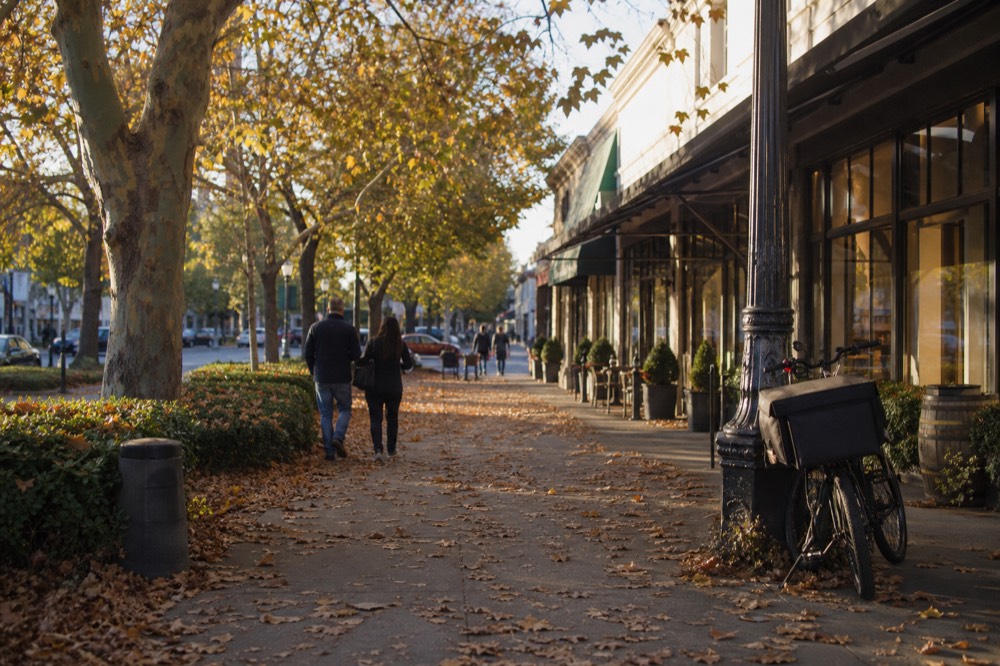
What are the tasting fees and winery counts in Sonoma Valley vs the rest of Sonoma County?
Sonoma County's median basic tasting fee is around $40 per person (checked September 2026), with reserve or elevated experiences reaching a median of $90, according to a 2026 industry report covering 2025 data. Sonoma Valley tasting rooms fall within the same range, typically charging $35 to $50 for a standard flight, though the high concentration of rooms around the Plaza means more competition and, occasionally, more walk-in availability than in the rural AVAs.
Across the county, tasting room traffic fell 8% in 2025 (Press Democrat, May 2026), narrowing from a 14% decline in 2024. This softening has eased pressure on reservations and, in some cases, reduced fees. A Silicon Valley Bank report found that roughly 30% of Napa and Sonoma wineries lowered their tasting fees in 2025. The Sonoma Plaza area remains the easiest place to spontaneously visit tasting rooms, while popular wineries in Dry Creek Valley or the Russian River Valley often require advance bookings, especially on weekends.
| Fee type | Sonoma Valley typical | Sonoma County overall |
|---|---|---|
| Basic tasting flight | $35–$50 | $25–$75 (median ~$40) |
| Reserve or elevated tasting | $60–$90 (checked September 2026) | $50–$100+ (median $90 in 2025) |
| Waived with bottle purchase | Common | Common |
| Customary tip | $5–$15 per person | $5–$15 per person |
The county's 425-plus wineries are spread unevenly across the 19 AVAs. The Russian River Valley alone has well over a hundred producers, while Dry Creek Valley and Alexander Valley each host dozens more. Sonoma Valley's roughly 100 wineries represent a significant share, but the northern AVAs collectively hold the majority. This distribution is one reason why a county-wide tour, rather than a valley-only visit, delivers a more complete picture of Sonoma wine. If you want to see the most acclaimed producers, our best Sonoma wineries guide highlights standout tasting rooms across the county.
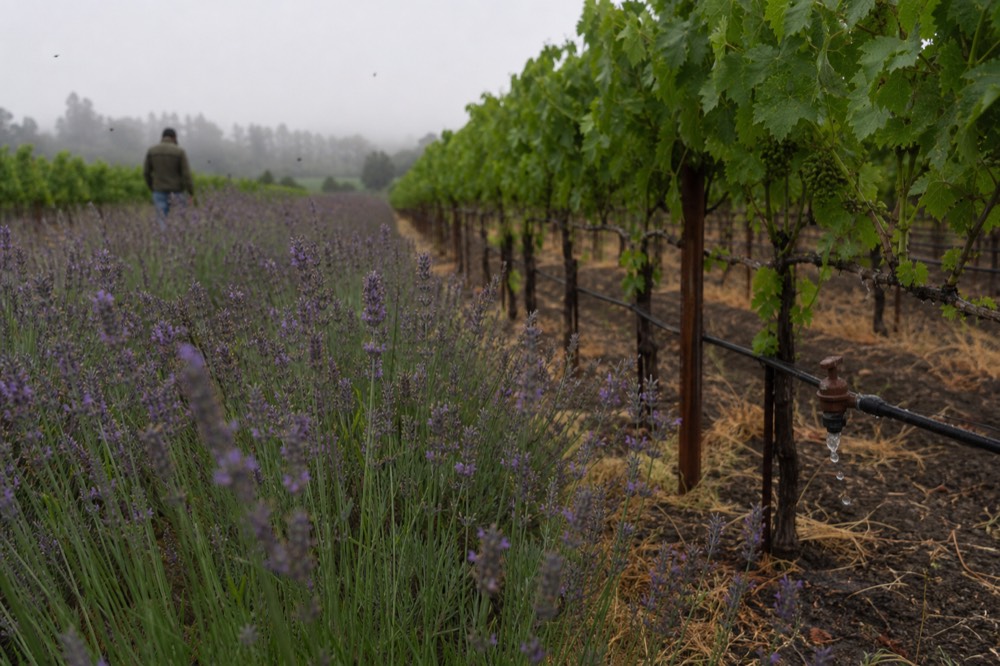
What is the best time of year for wine-tasting tours in the county?
Late summer through fall, from August to October, is harvest season with vibrant winery activity, including picking crews, crush pads in operation, and the aroma of fermenting wine. Spring, from March through May, offers wildflowers, bright green hills, and fewer crowds, making it an excellent alternative for travelers who prefer a quieter experience and mild temperatures.
Harvest in Sonoma County typically starts in mid-August for sparkling wines and runs through late October. In 2026, some AVAs saw an early start in late July, reflecting one of the earliest harvests on record. The crush period adds a lively, working-winery feel: you might see fruit arriving at the sorting table, tanks being filled, and winemakers moving between barrel rooms. The Sonoma Valley Wine Trolley runs its open-air replica cable car daily during this period, and the fresh air and vineyard views are especially memorable as the vines turn gold and crimson.
Spring is another excellent window. Wildflowers bloom along the roadsides, the hills are a vivid green from winter rains, and tasting rooms are less crowded than in October. The weather is mild, typically in the 60s and 70s, ideal for a bike tour or an afternoon on a winery terrace. Summer is warm and dry, with temperatures often reaching the 80s and 90s, perfect for poolside afternoons and early evening tastings. Wildfire smoke can occasionally affect air quality from late summer into fall. Check conditions and keep itineraries flexible, especially in September and October when Diablo winds can raise fire risk.
| Season | Weather | Crowds | Tasting room feel |
|---|---|---|---|
| Spring (Mar–May) | 60s–70s, green hills | Moderate | Relaxed, good walk-in availability |
| Summer (Jun–Aug) | 70s–90s, dry | High | Busy, reservations recommended |
| Harvest (Aug–Oct) | 70s–80s, cooling | Peak | Vibrant, working-winery energy |
| Winter (Nov–Feb) | 50s–60s, possible rain | Low | Quiet, mustard blooms, intimate |
Winter is the quietest season, and while rain is possible, the mustard blooms between vineyard rows are a photographer's dream. You will often have the tasting bar to yourself, and winemakers tend to have more time to talk. The open-air trolley may substitute a covered vehicle in wet weather, but the experience remains enjoyable. Regardless of the season, a guided tour removes the logistics of driving and lets you focus on the scenery and the wine.
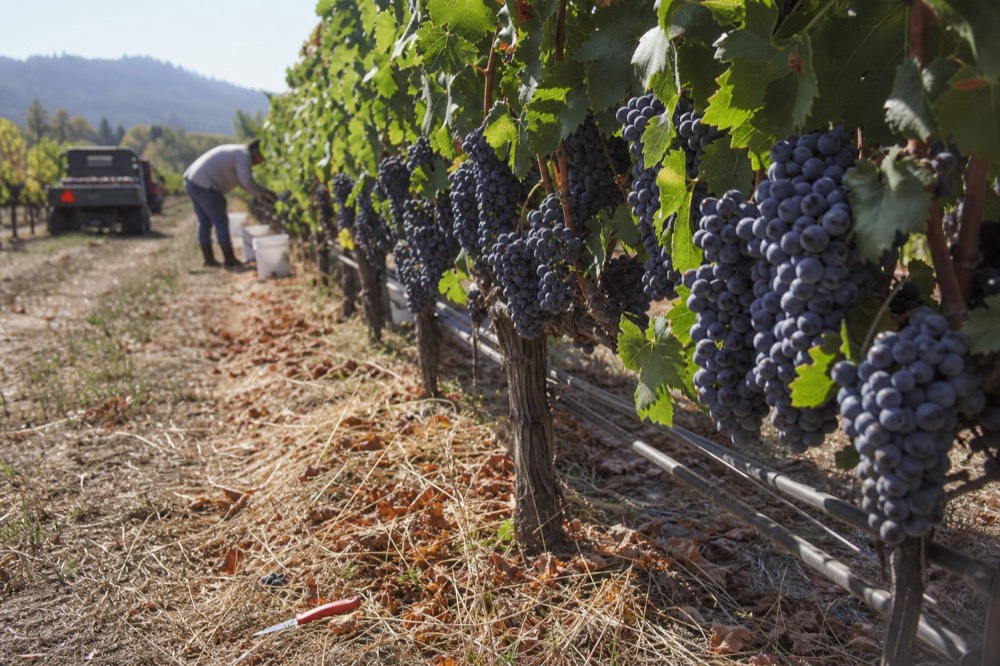
Whether you stick to the walkable Sonoma Plaza or venture north to Healdsburg and the Russian River Valley, a guided tour makes the logistics easy. The county's 19 AVAs stretch across 1,576 square miles. A designated driver, whether on a group trolley, a small-group van, or a private SUV, lets you focus on the wine and the scenery without worrying about the winding roads or the 0.08% BAC limit. Here are three standout options that showcase the best of Sonoma County, from the historic plaza to the hidden-gem tasting rooms of the northern valleys.
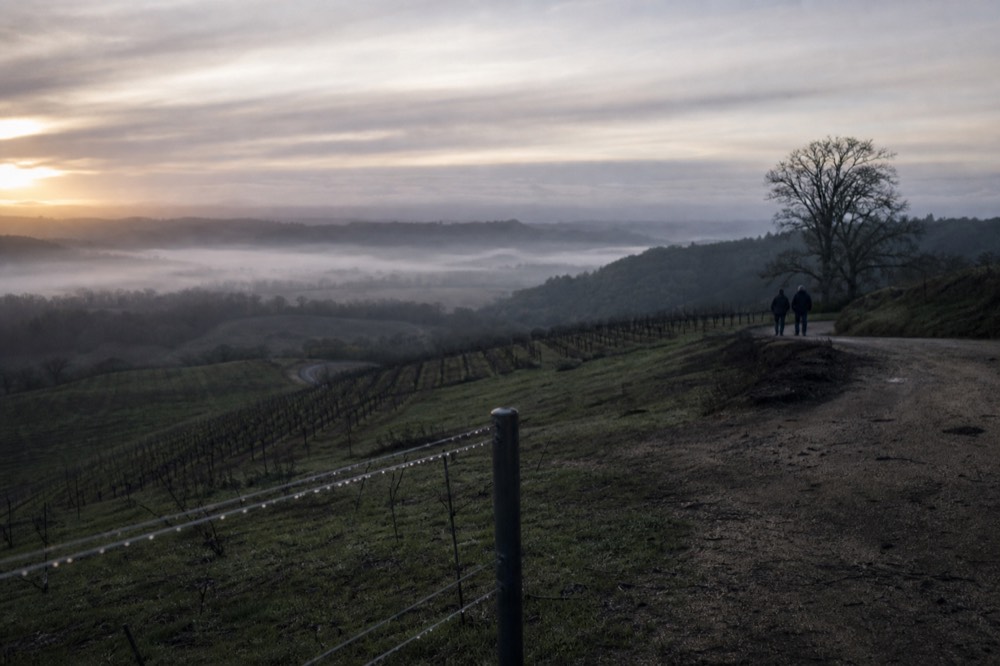
Common questions about Sonoma Valley vs Sonoma County
Is Sonoma Valley the same as Sonoma County?
No. Sonoma Valley is a single AVA and the area around the town of Sonoma. Sonoma County is the entire county, which contains 19 AVAs, including Sonoma Valley, Russian River Valley, Dry Creek Valley, Alexander Valley, and others. The county spans 1,576 square miles and has more than 425 wineries.
How many wineries are in Sonoma Valley vs Sonoma County?
Sonoma Valley has roughly 100 wineries. Sonoma County as a whole has more than 425 wineries across its 19 AVAs, with the largest concentrations in the Russian River Valley, Dry Creek Valley, and Alexander Valley.
Can I visit both Sonoma Valley and Healdsburg in one day?
Yes, but it requires planning. Sonoma to Healdsburg is about a 55-minute drive. A private tour that starts in Sonoma and includes Healdsburg wineries can make it a comfortable day trip. The Sonoma and Healdsburg private tour is designed for exactly this kind of cross-county itinerary.
Which area has better wine tours, Sonoma Valley or the northern AVAs?
Both offer excellent tours, but the style differs. Sonoma Valley tours often focus on the historic plaza and nearby estates, with walkable tasting rooms and iconic experiences like the open-air wine trolley. Northern AVAs tours cover more ground and more diverse wine styles, from Russian River Pinot Noir to Dry Creek Zinfandel. The best choice depends on whether you prioritize walkability or variety.
Are tasting fees different in Sonoma Valley compared to the rest of Sonoma County?
Tasting fees are broadly similar. Median basic flights are around $40 (checked September 2026) countywide, and Sonoma Valley tasting rooms fall within the same $25 to $75 range. Premium experiences cost more in both areas, with elevated tastings reaching a median of $90 across the county.
Do I need a car to explore Sonoma County wineries?
Not if you book a guided tour. Many tours include hotel pickup and cover multiple AVAs. In Sonoma Plaza and Healdsburg Plaza, you can walk to numerous tasting rooms without a car. For rural wineries, a tour with a designated driver is the safest and most convenient option.
Match The Day To Your Plans And Compare Costs
Editorial starting point. Confirm your party's age, access needs and departure details on the listing.
Sonoma Valley Open Air Wine Trolley Tour: Lunch included; tasting fees extra at each winery Not included: Tasting fees paid separately at each stop; 21 and over About 6.5 hours
Sonoma & Healdsburg Wine Tours: Private vehicle for up to 6; boutique winery tastings; hotel pickup Not included: From-price covers the whole group, not each guest Full day
Compare Your Actual Quotes
Use the same currency for both totals, including transport, tastings and lunch. This compares your quotes, not live prices.
Compare what each total includes: a driver, tasting fees, lunch and the time you would spend arranging reservations.